
10 maintenance tips for long-term performance from used equipment
Jul 29, 2026 4:53 PM EEST
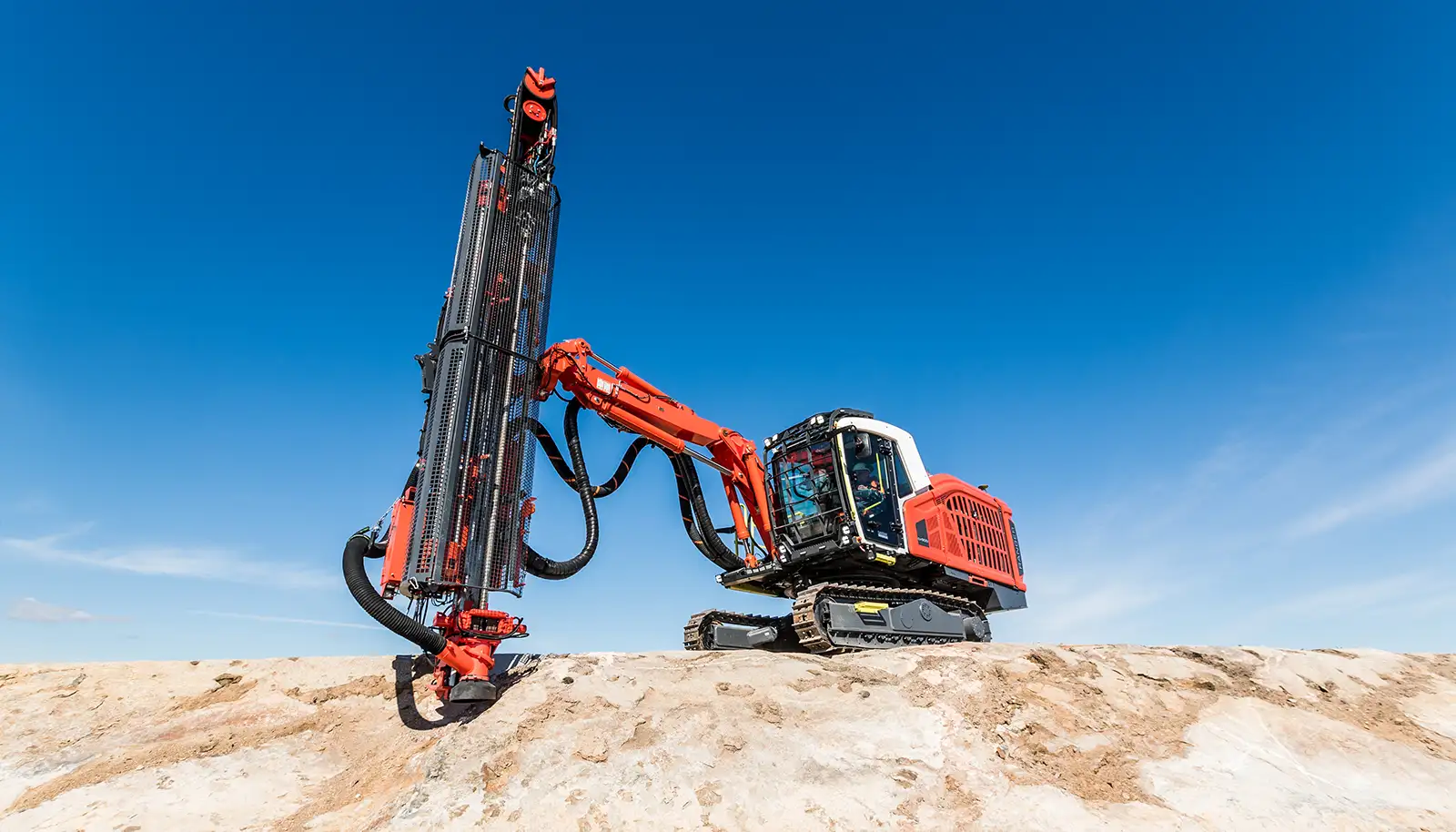
Used equipment can deliver dependable performance for many years when inspection, servicing and daily care are managed correctly. A structured maintenance approach helps reduce avoidable wear, limit unplanned downtime and protect the value of the machine. These ten tips provide a practical starting point.
Start with a clear assessment of the machine
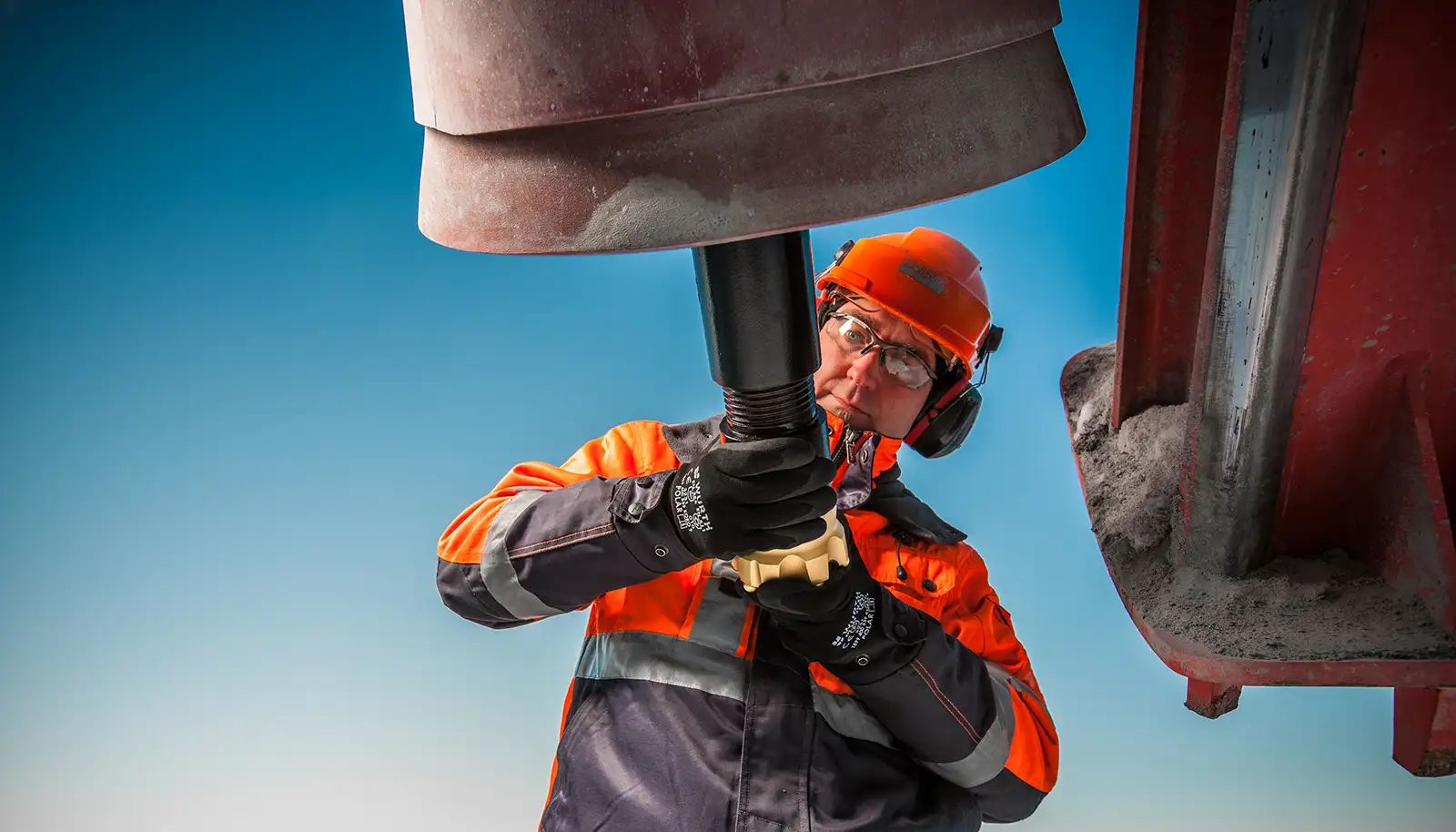
1. Complete a thorough inspection
Document the current condition before putting the machine to work. Check for visible wear, leaks, damaged hoses, loose connections and overdue service items. Record the findings and address immediate repair needs.
2. Create a preventive maintenance schedule
Plan servicing according to the recommended intervals. Include checks of oil, fluids, filters, hoses, batteries, tires and tracks. Adjust the schedule when the machine works in demanding conditions or carries a heavy workload.

Keep accurate service and usage records
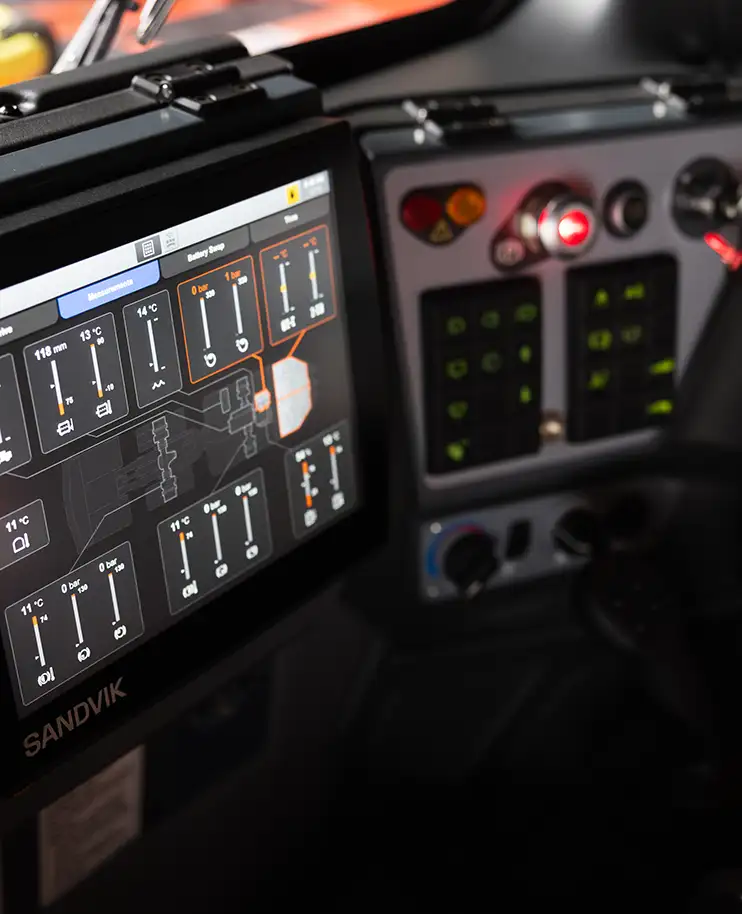
3. Record inspections and repairs
Maintain a clear history of inspections, completed repairs, replaced parts and scheduled services. These records make it easier to follow the machine’s condition and plan future work. A documented service history may also support resale value.
4. Monitor hours and workload
Track machine hours, application and daily workload. This information helps maintenance teams identify unusual wear and confirm that the equipment remains within its intended capacity.
Protect components with the correct materials
5. Use genuine parts and approved fluids
Select parts, lubricants and fluids that meet the manufacturer’s specifications. Incorrect materials can increase wear, reduce performance and place extra strain on key components.
6. Store equipment correctly
Protect idle equipment against rain, dust, moisture and extreme temperatures. Use a dry, sheltered location where possible. Follow the recommended shutdown and storage procedures when a machine will remain unused for an extended time.
Make daily care part of the routine
7. Train operators properly
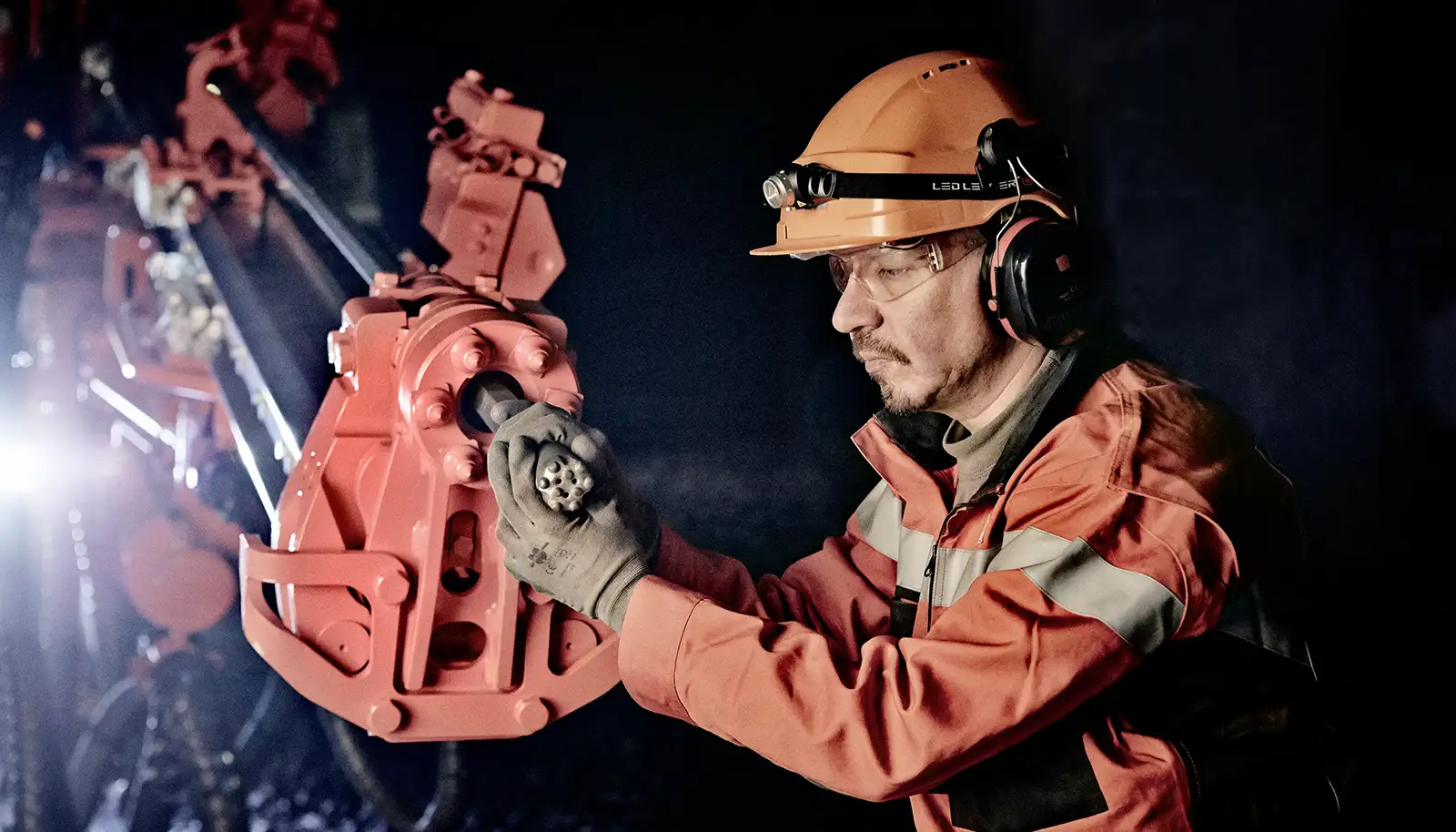
Operators should understand the controls, safety procedures and daily inspection points. Correct machine use helps limit unnecessary strain. Operators should also report warning messages, unusual sounds, vibrations and changes in performance immediately.
8. Clean the machine regularly
Remove dirt, dust, mud and material buildup after use. Pay close attention to cooling systems, moving parts and inspection points. A clean machine is easier to inspect and less likely to suffer from restricted airflow or hidden damage.
Respond quickly when performance changes
9. Address issues without delay
Small leaks, damaged seals or unusual noises can develop into larger failures. Investigate changes as soon as they are reported. Early repairs can reduce downtime and prevent damage to related components.
10. Arrange inspections by trained technicians
Specialist inspections can identify wear that may be difficult to detect during daily checks. A trained technician can assess machine condition, review service requirements and recommend the next maintenance steps.
Speak with Sandvik about your equipment
Planning maintenance for a used Sandvik machine or reviewing your current equipment needs? Contact Sandvik Rental & Used for information about available machines, parts, service and specialist support.